


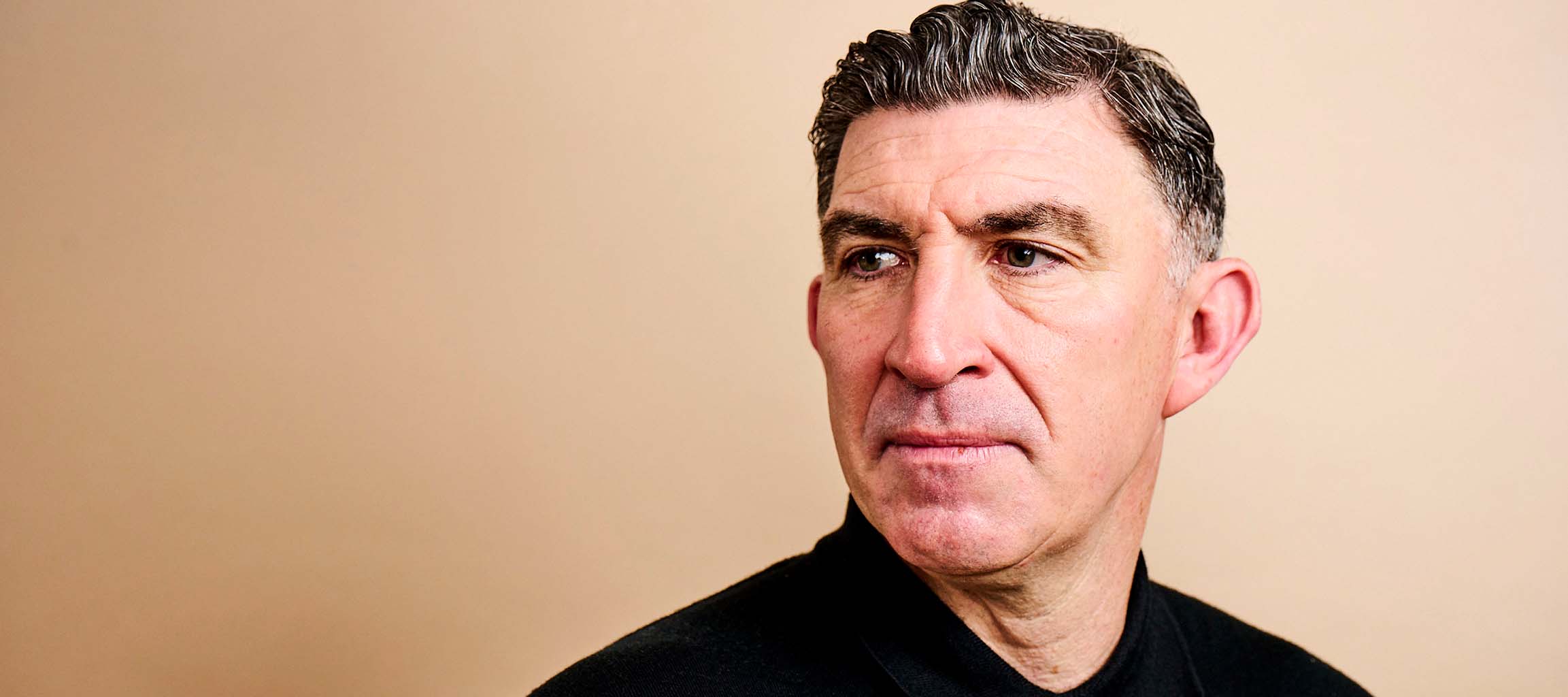
Kevin Maher
Southend United, 2021-2026
Nothing could ever prepare a manager for what went on.
When I did my Pro Licence, we were presented with certain crisis-management scenarios and what they look like. But nothing could have prepared me for the way the situation unfolded at Southend United.
We got to a point where there was no running water at the training ground. Water dripped through the ceilings of the gym, which we had to collect so we could flush toilets. We had to buy food for the players to get them fed. Bailiffs were turning up at the training ground and I had to drive away the kit van before it was repossessed.
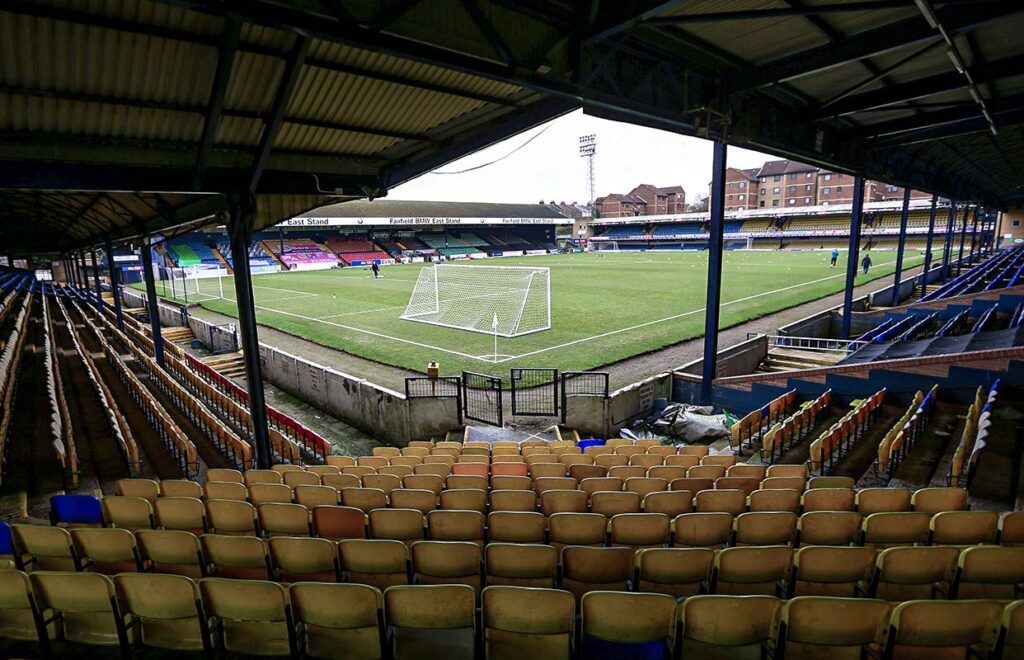
I care about people, and in that situation my primary focus was on taking care of the people who were in my charge. I had asked my staff to come and join me at the club, so I had to do right by them.
I will always remember getting phone calls and being told: “You’re not going to get paid.” We wouldn’t know until the last moment if the money was coming or not. I had staff calling me at night, and I had to relay those messages. There were times when I was told: “Kev, you are going to get paid, but other people aren’t.” I had to say: “Do not pay me. Please, just pay my staff first.”
We went through periods where half the squad got paid and half didn’t. I would have to do meetings with players about that – who’s been paid, who hasn’t, and why the club, not me, had chosen certain players.
“It really is unbelievable, and was the ultimate test of the character and culture we had built”
People were playing for us non-contract – they could have gotten injured, they could have been told they were gone. They were not being paid, but they still turned up and did their job.
The players came to me and said they would sign something to say they wouldn’t walk. They wouldn’t try to get out of their contracts as long as they were all together, and were all treated the same. That was a credit to the group.
My staff had to go and find other jobs at the same time as working for the club. We got to a point where we had no strength and conditioning coach, and no goalkeeper coach.
When I look back now on that time, I am proudest of how we managed to get performances and results under those conditions. It really is unbelievable, and was the ultimate test of the character and culture we had built at the football club. Despite all the challenges, I enjoyed going into work with the people I was working with. It is always about the people.
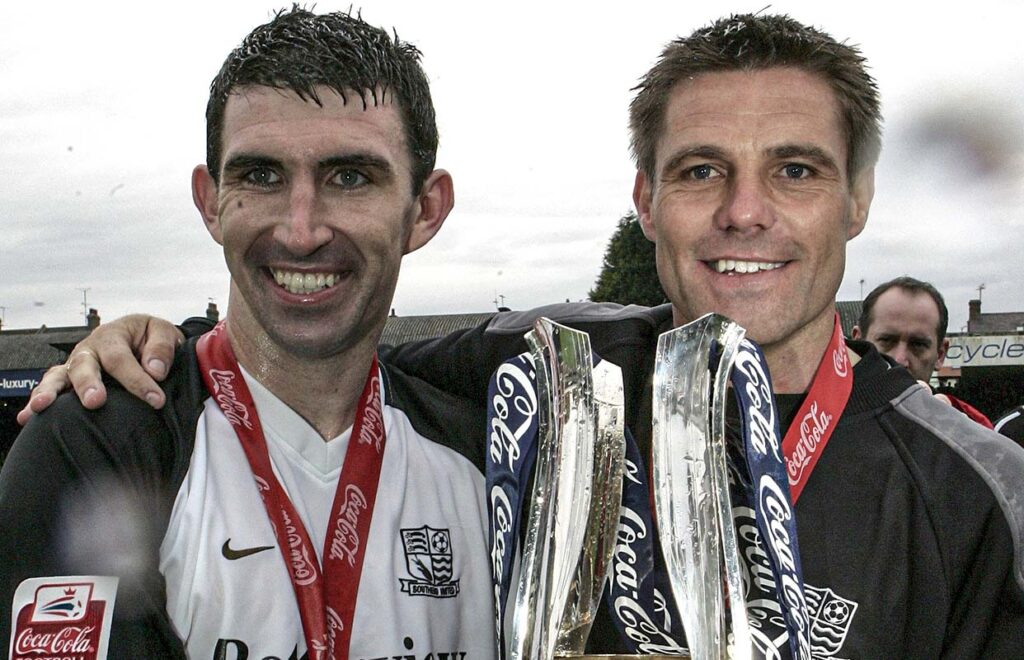
I have always wanted my teams to enjoy coming in to work. In my playing days I had been part of a Southend team under the management of Steve Tilson and his assistant Paul Brush, where we won promotions and got to cup finals. It was a period of real success, but what always stood out for me was how the manager enjoyed going into work every day.
In those teams we had a group of players that ran the dressing room and took care of everything that needed taking care of. One of the manager’s strengths was letting us do that. That period was the most enjoyable of my playing career, and helped mould what I look for in my teams, as a manager.
“I wanted to go back to Southend with the Under-21s and find who I was as a coach”
I had started my playing career at Tottenham on a YTS apprenticeship. Chris Hughton was the Tottenham Under-21 coach and was hugely influential on me, including the detail he went into.
I was a midfielder, and in that position you tend to think about the game. I wasn’t the quickest either, so I had to think my way around the pitch at times, which helped when I moved into coaching.
I had started doing my coaching badges as a player as I moved towards my 30s. When I finished playing I got a call from someone I knew who was involved at Chelmsford City in the Conference South. Would I come and help do some training?
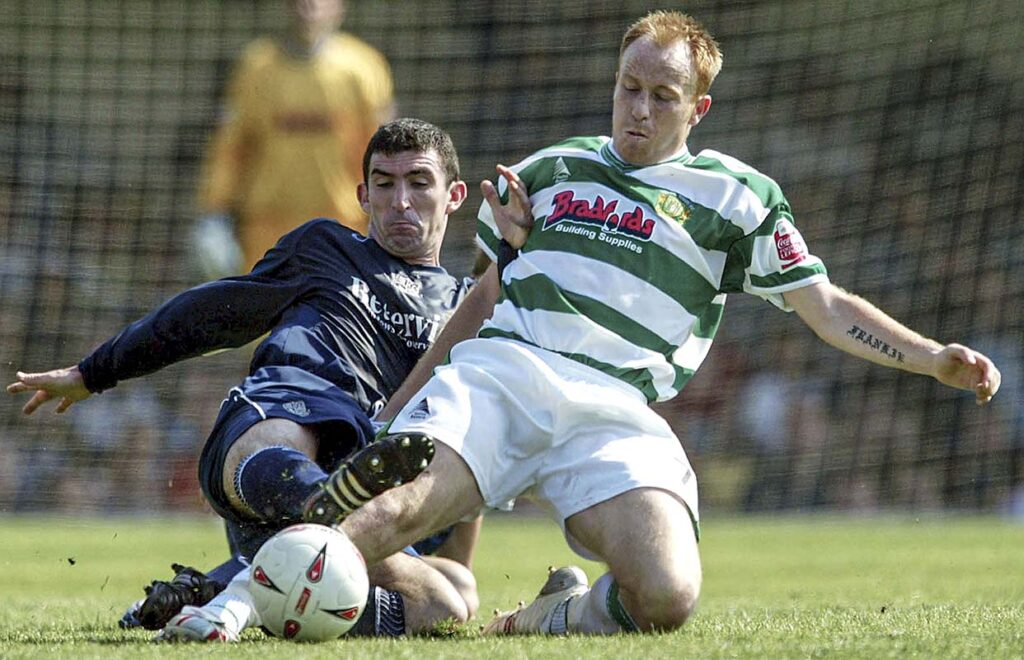
I was also starting to do a bit of work with the Under-16s at Southend, so I thought that would give me the best of both worlds. I got to work with senior players at Chelmsford, including matchdays and what that looks like, but was also within an academy, which is a brilliant grounding for any young coach.
I managed at Chelmsford for a period as caretaker, which was a great experience, but I didn’t think I was ready at that point. I wanted to go back to Southend with the Under-21s, and find who I was as a coach and manager – organising sessions and the week, learning from mistakes on a daily basis.
From there, Southend’s assistant manager Graham Coughlan got a job at Bristol Rovers and took me along. It was an important step to be back in a first-team environment, in League One, at a brilliant football club. I ended up working with several managers there and learned different things from each of them. I also took charge of a couple of games as caretaker manager. Walking out in front of 10,000 people gave me another taste of managerial life.
“You could smell the fear in the building”
When the Southend job came up in 2021, I knew the financial trouble the club had been in, but also thought that it had bottomed out. I felt I was ready, and wanted to get back to what was, in many ways, my football home. The timing was right.
When I walked in on that first day, though, you could smell the fear in the building. There was anxiety and stress, so the first thing I did was open the manager’s door. If anyone wanted to come and speak to us, the door was open.
I am not a reactive manager – we could have a bad result, a bad performance, but I wouldn’t insist on getting the players in the next day. Instead I said: “Your day off is your day off. That will never change.”
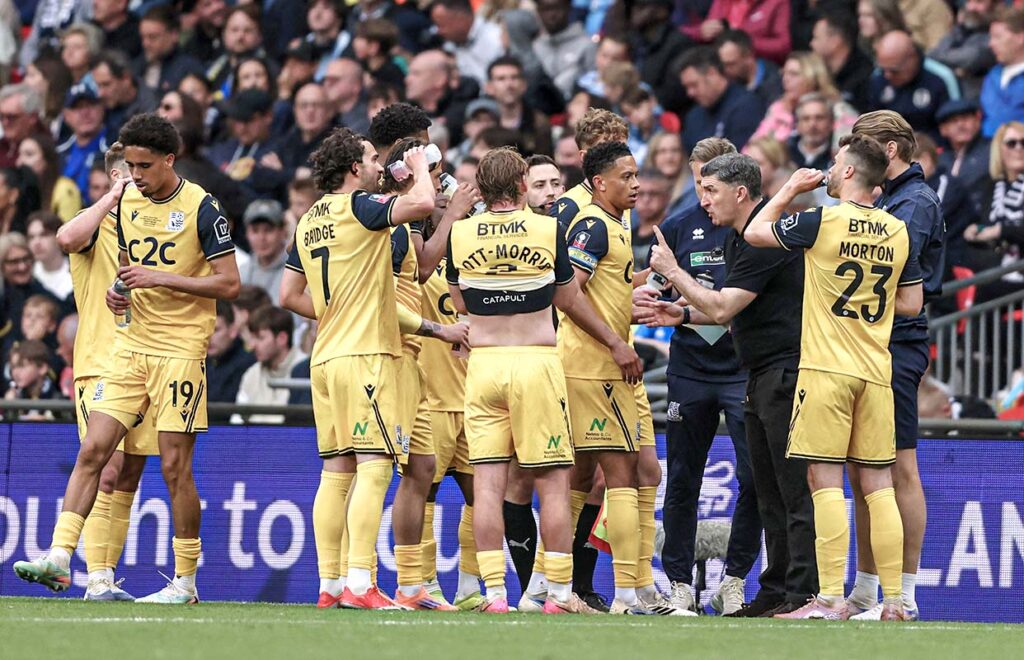
We were consistent with our messages from the start: “It costs nothing to run after the ball. You can choose your attitude when you come into the building.”
At that point there were something like 30 players in the building – for a National League squad, it was way too many. I brought John Still in to head up recruitment – not only for the recruitment side, but also for his experience and calmness.
In 40 years of management he had seen it all. We would have a coffee, he’d ask me what I was thinking, and have a few words. Those little chats with John, especially at a club like Southend, going through that particularly tough period, were brilliant.
“I will never forget the scenes with the fans and players after that final whistle”
The players we brought in were from the level below and had hunger. They weren’t doing us a favour coming to play for Southend. The way I see it, you have to earn the right to play for Southend, not the other way around. When we finished training there would be eight, nine, 10 players all doing extras, which is always a good sign of where you are at.
Off the pitch, though, the club was still in turmoil. In February 2023 we went to Torquay for what might have been the club’s last ever game, with an HMRC winding-up hearing only days away. The game was 1-1 in the 90th minute when we broke away and scored a winner. The players hadn’t been paid, but they were still doing what they were doing. I will never forget the scenes with the fans and players after that final whistle.
The club survived, but in the 2023/24 season we had a 10-point deduction that took us down to the bottom of the league. With a transfer embargo in place, I could only have 16 players, two of whom were non-contract players I had got for £400.

That season, in a game against Bromley, I had to put our right-back Gus Scott-Morriss in goal, because we had no substitute goalkeepers. Then there was a game at York where we were playing really well, but had two players sent off and ended up losing 3-0. It was probably the lowest I have ever felt coming off a football pitch.
We had to pick ourselves up fast, though, because we had a game against Maidenhead United three days later and were waiting on an appeal for the two red cards. The decisions didn’t come through until the day of the game. Both appeals failed.
With all our injuries, suspensions and the restriction to 16 players, we got permission to register a couple more to make sure the game could go ahead. That meant we were up in the office until 11pm on the Monday night, trying to bring players in.
“We had to do a training session on the pitch before kick-off”
I ended up signing Dave Martin, who was by then our goalie coach, on a non-contract basis. I also brought in Mauro Vilhete on a dual registration with Hayes & Yeading. All of which meant I was only able to pick the team two hours before the game. We had to do a training session on the pitch before kick-off. We ended up winning 2-0.
When the takeover was completed in July 2024, it was a feeling of relief and elation for everyone at the football club. Saving Southend United was always bigger than the results on the pitch, even if results had been unbelievable under the circumstances.
From my playing days I always knew the potential for what things could be like at Southend. As well as the promotions and trophies, we’d even knocked Sir Alex Ferguson’s Manchester United out of the League Cup. I knew what it felt like when Roots Hall is full and you’ve got the crowd on your side.
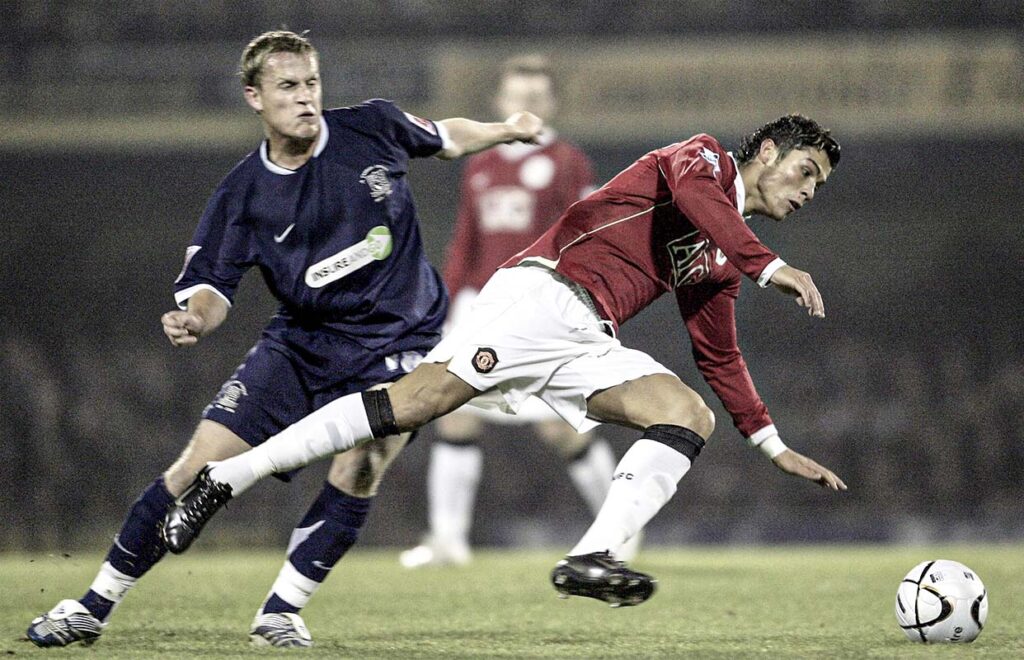
The season after the takeover, momentum grew as the season progressed and we made it into the playoffs. The whole playoff campaign was a rollercoaster of emotions: an extra-time winner in a 4-3 at Rochdale in the quarters; a penalty shootout win at Forest Green in the semi final; then the final at Wembley, which was disappointing in the end, losing 3-2 to Oldham in extra-time.
We had come so far so quickly, taking giant steps, and it had nearly happened – we nearly hit the sweet spot and got out of the division. The challenge for me was to keep us competitive in terms of getting out of the National League, but also to win trophies.
We had a stronger squad going into the 2025/26 season, so as well as pushing in the league, I saw the FA Trophy as a competition we wanted to go as far as possible in. We made it to the playoffs again, but when that run ended in defeat we had to recover fast, because we were back at Wembley in the FA Trophy final.
“Everyone does their homework, so you need a couple of options in your locker”
I really wanted to give the players the feeling of winning at Wembley. It was something I didn’t get as a player – when we won the League Two playoff final in 2005, Wembley was being redeveloped, so we had played in Cardiff. Now I wanted my players to have the feeling of walking up the steps at Wembley, with their family and friends there, and everything it would mean to everyone connected with the club. Since being founded in 1906, Southend had never won a major cup.
After the playoffs I told the players to go away, be with their families, and when we came back we would be focused on the final. We changed the training pitches to the same size as Wembley, because it is a big difference and saps your energy. And we went into the detail of what the game might look like, covering all bases.
We were all about the business of getting the job done. I watched Manchester City beat Chelsea in the FA Cup final the day before – it wasn’t an epic game, but they had won. That is what matters at Wembley – that is when it becomes special.
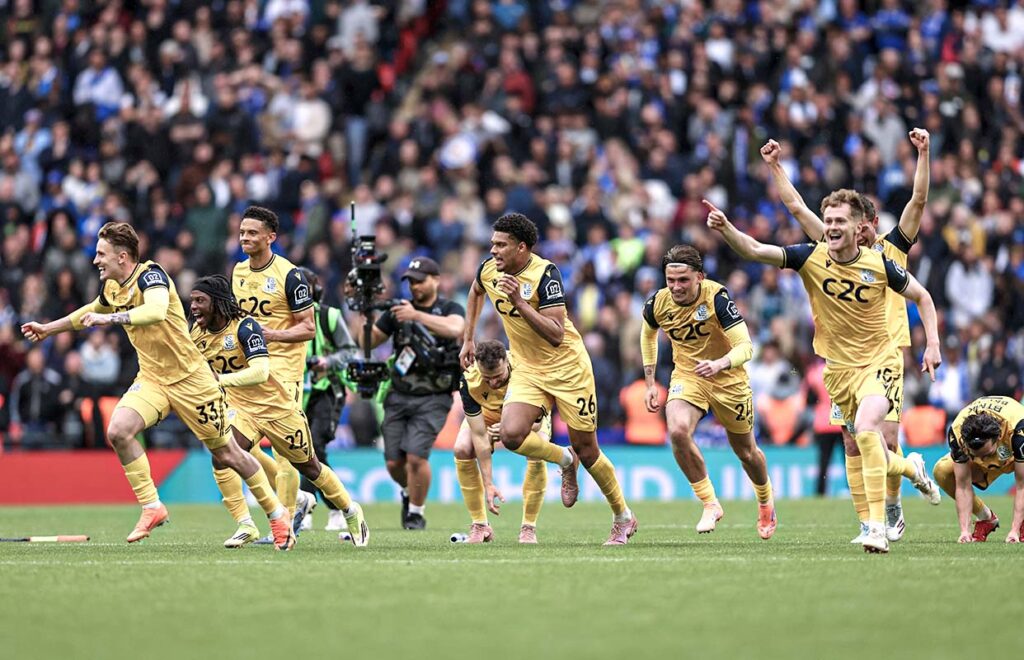
Our last league game of the season had been a 2-1 win against our Wembley opponents, Wealdstone, so the teams knew each other well. The final itself became a war of attrition. After 120 minutes nothing could separate us, so it went to penalties.
As a manager I feel confident with penalties. I make decisions for the players, to take the pressure away from them. I had one player who wasn’t sure about taking one, so I said: “Don’t worry. You take it. It’s on me if you miss.” When a manager shows faith in a player, it can make the difference.
You’ve got to prepare, to get used to penalties through repetition. These days everyone does their homework, so you need a couple of options in your locker that you are ready to go with. The technique has changed in recent years, but it will always come down to the execution of your technique, belief, and sometimes a little bit of luck.
“No matter what was going on off the pitch, we had a no-excuses culture”
Winning that trophy was fantastic for everyone, after all the troubles the club had survived. But what struck me afterwards was hearing a manager of another team in our league say Southend were the best-organised team they had faced that year. To know people within football recognise how Southend played, that we were a bloody good side and I am good at my job, is something I take real pride in.
I want my teams to play with the ball on the floor, pass quickly, and play through the pitch. Possession with a purpose. Not giving anyone time to breathe, constantly after teams, being relentless. I also want to educate players on the game and help them understand it, because when they cross the line, it is up to them.
At Southend we improved as a team year on year. We also improved the players we took in, loaned, and sold, such as Aribim Pepple, Matt Dennis and Sam Dalby. They have all had good careers, and we have played a part in that.
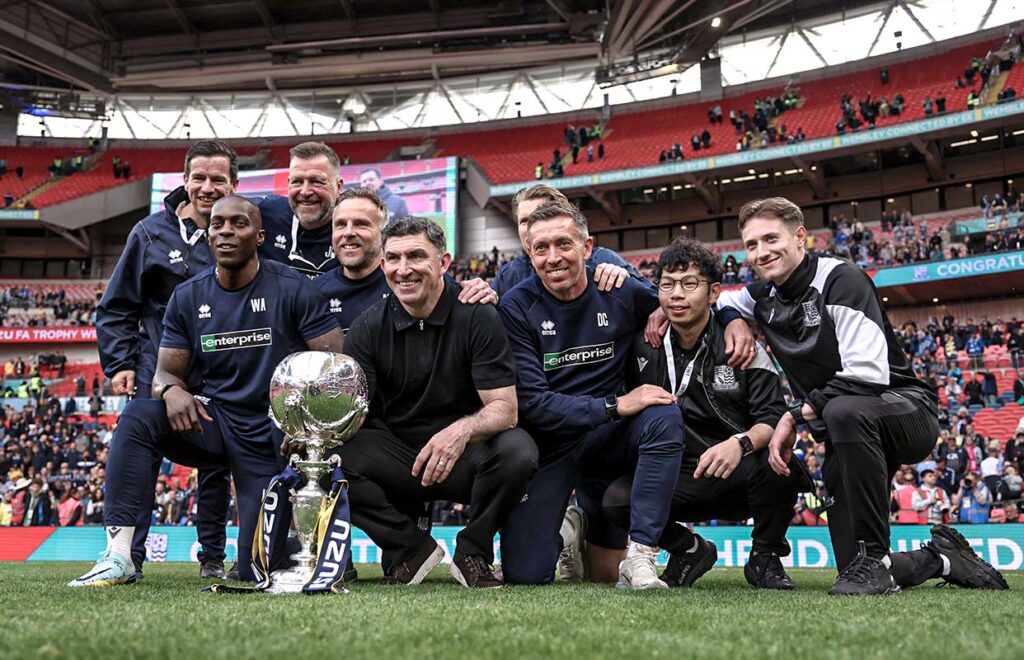
The standards never dropped. No matter what was going on off the pitch, we had a no-excuses culture. That was a consistent message throughout my time with Southend. Because as a manager, it is my duty never to let players drop their standards.
As the saying goes, though, all good things come to an end. Just two days after our win at Wembley, my staff, Darren Currie, Mark Bentley, and myself were told we would be leaving the club. If there is one certainty in football management, it’s that one day you will depart your role. Not many get to leave after back-to-back playoff campaigns, two Wembley appearances in 12 months, and winning a national trophy, however. I am grateful to be able to hold my head up high and be proud of our work.
“I will give everything I have to achieve success”
I know the journey we went on, and the sacrifice it took to keep the club alive, trying to deliver success while remaining sustainable, against clubs with huge budgets. I will take with me the connection we developed between the supporters and the players – something I will try to recreate in the future – alongside many incredible memories, ups and downs, and lifelong friendships.
I can’t thank the people of Southend enough for their support, and their well-wishes since our departure. I wish them health and happiness moving forward, and hope our paths will cross again someday.
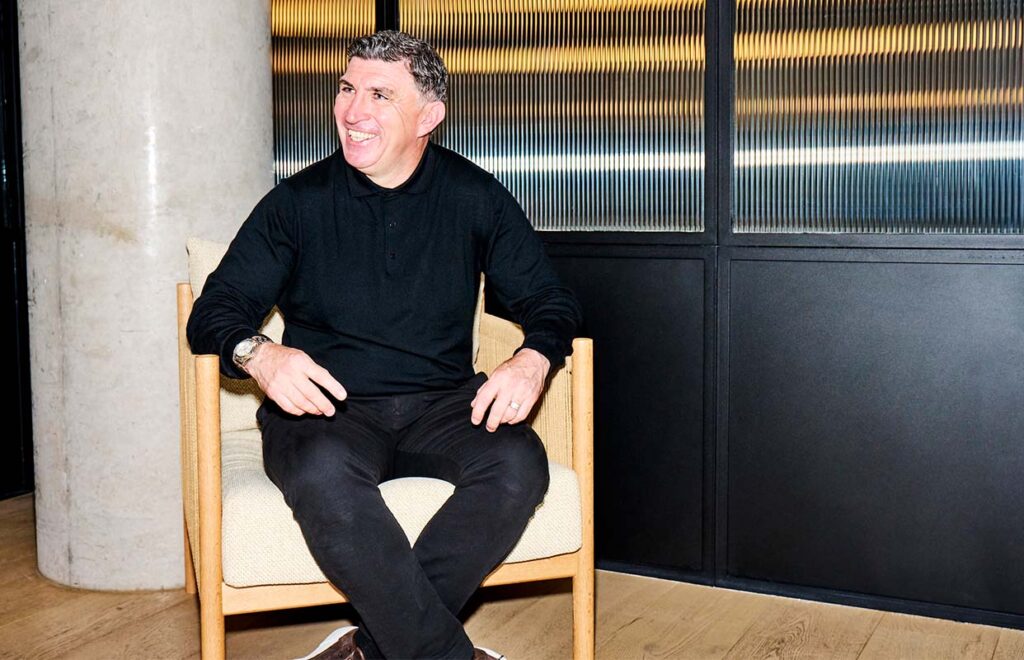
My four and a half years in the dugout has helped to shape me, and my family, for the challenges ahead. We’ve experienced a lot and feel better prepared for the next club. I will give everything I have to achieve success. We all have our methods as coaches, but ultimately my time with Southend has given me a taste for winning. I can’t wait to taste that feeling again.

Kevin Maher
