


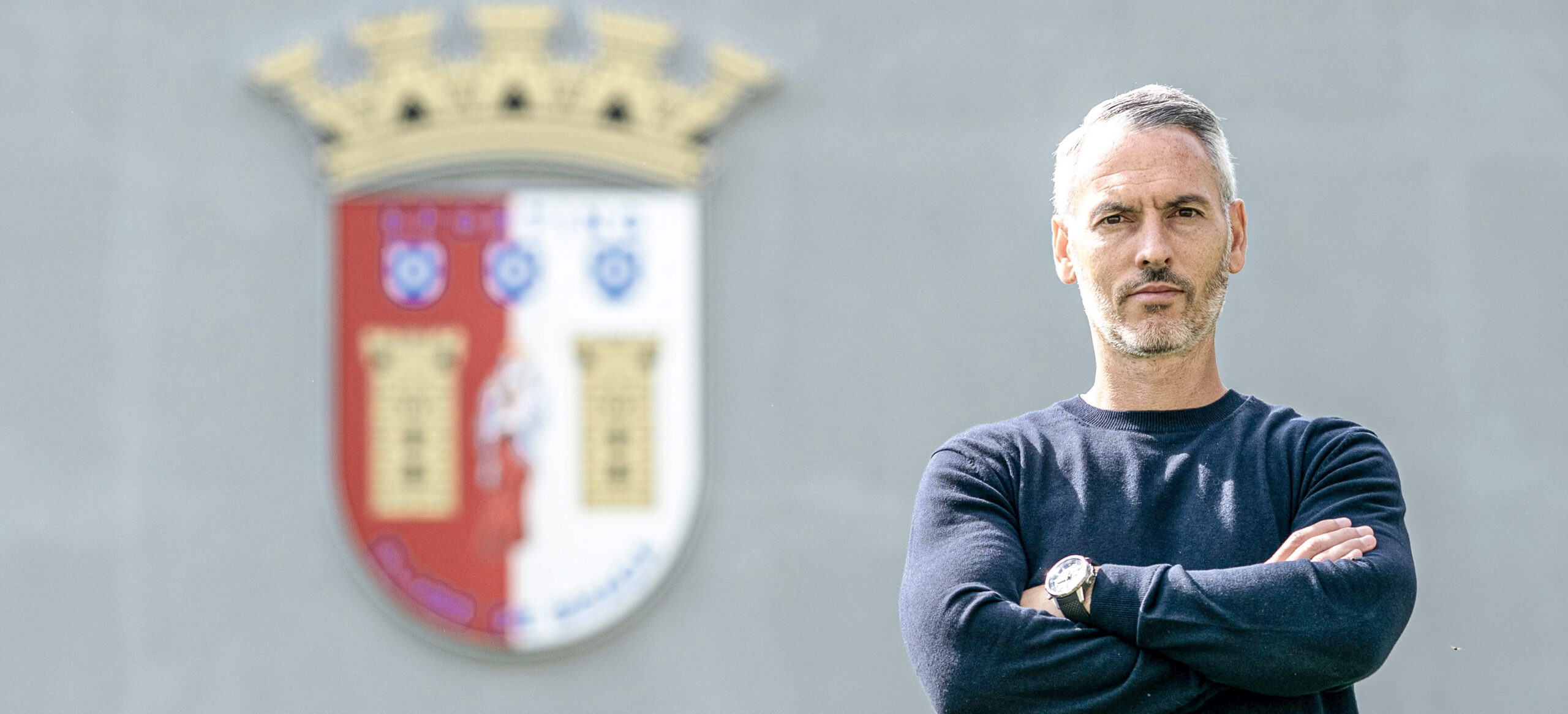
Carlos Vicens
Braga, 2025-
While I was an assistant coach on Mallorca, I travelled to England and visited Manchester City. I left my CV there.
I didn’t hear back from City immediately. But I was ready for the next challenge, whatever that would be. In football it is important to have strong roots, because then you know who you are, even on a bad day. It means you are always ready for the next challenge, regardless of past results.
Both my personal and footballing roots are on the island of Mallorca, where I was born and raised. My dad was a footballer and the first to introduce me to the sport, which I started playing for my hometown club at the age of nine. I was subsequently recruited by RCD Mallorca, regulars in Spain’s top division and a club with a very good academy. It was a big move, going to play for the biggest academy on the island, with the dream of making it to the first team.
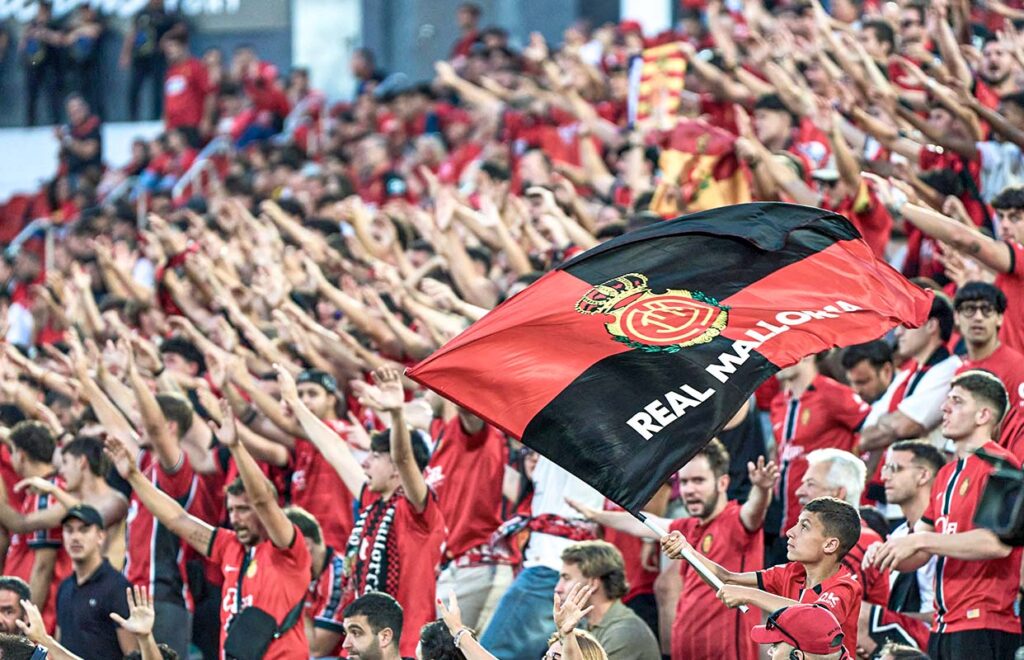
I was a skinny, bow-legged midfielder who could play good, short passes. Due to my style of play, my first coach at Mallorca’s academy nicknamed me ‘Pep’. Fittingly, Pep Guardiola was an idol of mine when he was a player. Like Pep, I was the player who provided options in the team’s build-up play.
It was disappointing not to make it to the Mallorca first team. My love for the game remained, however, and I played some more years at semi-pro level in Spain. In the meantime, I studied economics at university. In the final year of my studies I moved to the United States, where I played for the college team before being recruited by a new club called the Austin Aztex. Playing a season for them was a great experience. The club was more professional than I had expected, and the coaches had a real influence on me.
It was during that time in the United States that the idea of becoming a coach started growing inside me.
“I didn’t know how long I was going to be at the club, but it was about getting the opportunity”
When I returned to Spain I started my coaching badges, and soon I got the chance to become head coach of CD Ses Salines in the lower ranks. The timing felt right, coming off the back of an ankle injury, and it was an excellent opportunity.
Being the coach of CD Ses Salines was a great stepping stone. I spent three years there, winning back-to-back promotions, then managing to stay up comfortably. Later, I got a call from a team called Club Esportiu Santanyí, who I had played for previously. Now, they wanted me as head coach. The team was facing financial issues, so I had to rebuild the squad with young players with no experience in the division. Looking back, it gave me a taste of what being a manager was like. Even on a small budget, I managed to put a team together.
Winning games was difficult for us, though. Around February it became clear that we were going to be relegated, but there was clear growth in the way we did things. The club saw the work we were doing and asked me to stay. For the next two years in a row we made the playoffs, but couldn’t achieve promotion. I was offered the chance to stay longer at the club, but decided to focus on working only as an assistant manager.
I say ‘only’ because in my last year as head coach of Club Esportiu Santanyí, I had also been assistant to the head coach of CD Llosetense. They were a team from Mallorca, playing in the third division, after having achieved promotion the season before.
It was a great experience to work alongside their head coach, Nico López, in the Spanish third tier, known as Segunda B at that time. There we played against the reserve sides of Valencia, Villarreal and Barcelona.
Despite suffering relegation, I decided to continue working as an assistant to Nico. It was then that I paid my visit to Manchester City and left my CV.
Although I didn’t hear back for a while, the following year I had the privilege of going back to City for work experience. I didn’t know how long I was going to be at the club, but it was about getting the opportunity to work there and understand their way.
“There were two new openings in the first team, as Brian Kidd had retired and Nicolas Jover had moved to Arsenal”
That first season I was an assistant to Adam Temple, who was head coach of the Under-12s and 13s. I also helped the 11s some evenings, and stayed around what they called the ‘City select’, a group of players the club thought had the potential to become part of the academy. It was a great experience, because I could put in a lot of hours. It was tough too, not knowing what the future held.
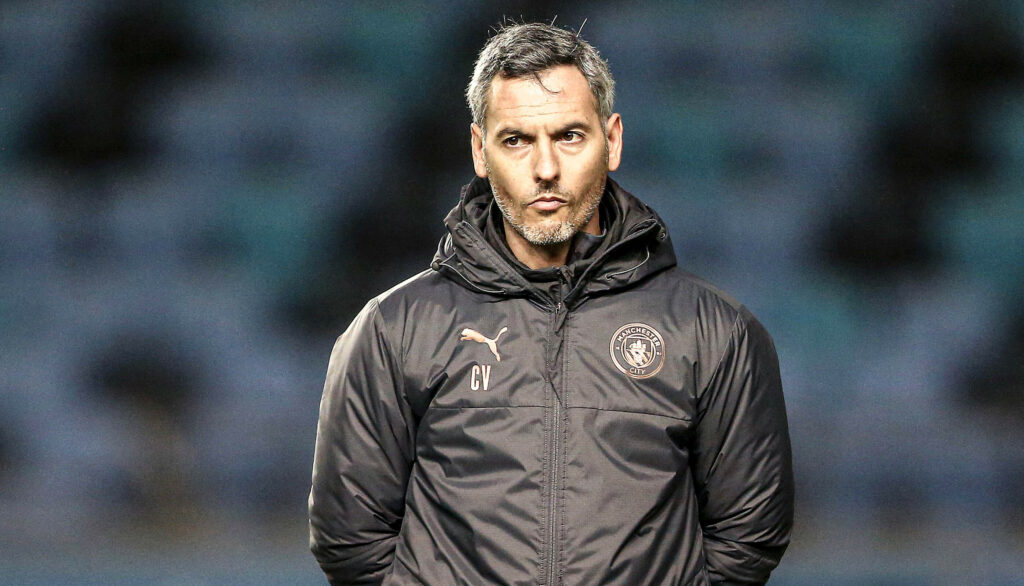
Luckily, the following season some new positions became available at the club. The head of the academy at that time, Jason Wilcox, suggested I apply. During the interview process they felt I had the potential to be with the older age groups, as I had already worked as a first-team head coach in Spain. I was offered the assistant-coach role with the Under-18 team. There, I would be working with head coach Gareth Taylor, better known to me as Gaz.
I learned loads from him, and he remains a great friend. When Gaz decided to take the head-coach role with the Manchester City women’s team, the club offered me the position of Under-18s head coach. I think I was the only non-UK coach in the Under-18 league.
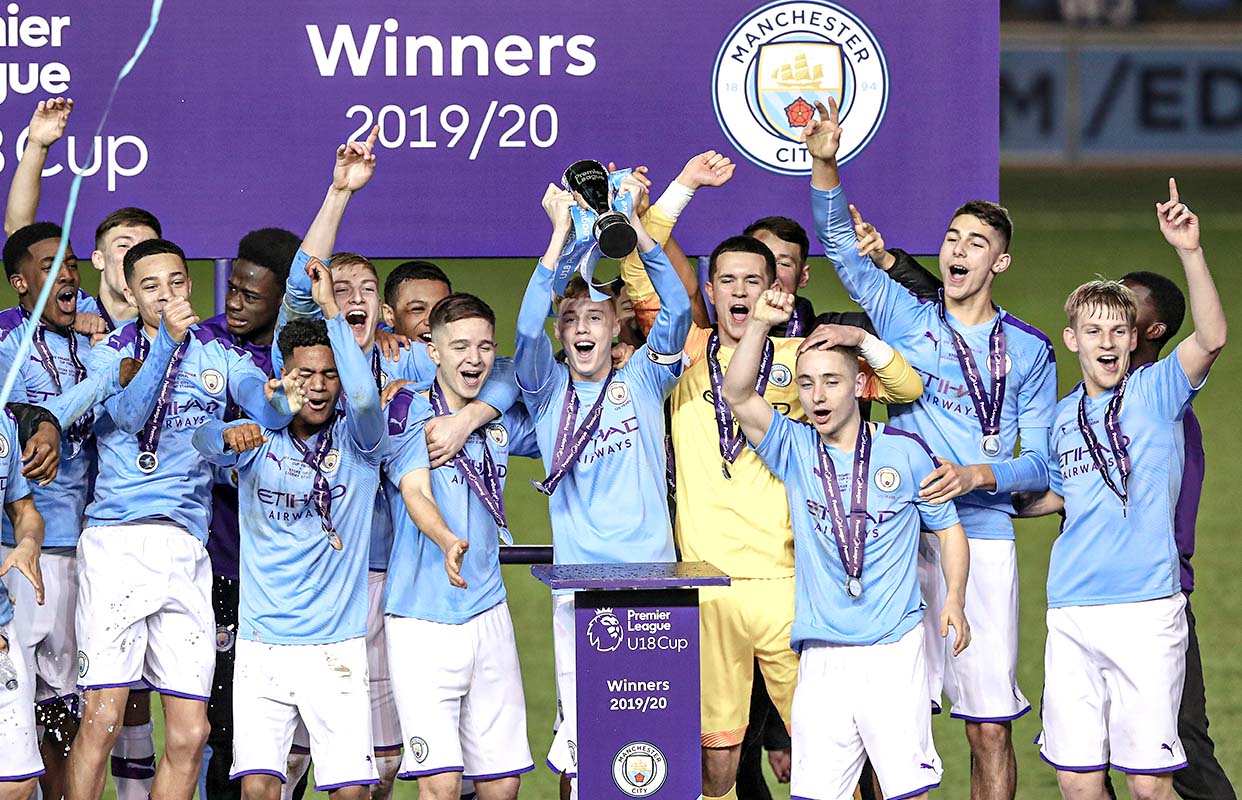
We won the FA Youth Cup, beating Chelsea in the final. That was special because, for one reason or another, we hadn’t been successful against them in previous editions of the competition. Gaz and I had been there when the team reached the final a year before, but lost on penalties against Liverpool. At some point, the FA Youth Cup had to be brought back to Manchester City again. I was the lucky one to be there when we did it.
After that year, City’s director of football, Txiki Beguiristain, called me. There were two new openings in the first team, as Brian Kidd had retired and Nicolas Jover had moved to Arsenal. Txiki offered me a role as an assistant on Pep Guardiola’s first-team coaching staff. It would turn out to be four years working for him.
Pep was an idol of mine, not only from those playing days when I was nicknamed ‘Pep’, but also as a coach. I took the role with humility and a willingness to help.
Being part of his coaching staff was an amazing experience, but also a big responsibility. He gives you a lot of freedom to work. At the same time, you don't want to let anyone down – not him, the rest of the coaching staff, nor the players.
“Yes, you work with some of the best players in the world, but at the same time they are still normal human beings”
So I had to get up to speed with first-team affairs as soon as possible. Pep’s mind always goes at 100mph, so you need to be ready for the challenge. Not because he puts pressure on you, but because you want to deliver for him. If he decides that you are good enough to be one of his assistants, then you want to give something back. You need to show humility, but also confidence in the work you are doing. Yes, you work with some of the best players in the world, but at the same time they are still normal human beings.
In and around the first team, there were already players that I knew from my time at the academy: Cole Palmer, James McAtee, Oscar Bobb and Roméo Lavia. I think that was good for them to see me; I was a familiar face, someone who understood them as players and people. That also eased their transition into the first team.
I was tasked with being in charge of set-pieces. It was not something I had ever done specifically for another manager, but I had looked after them while being a head coach in Spain.
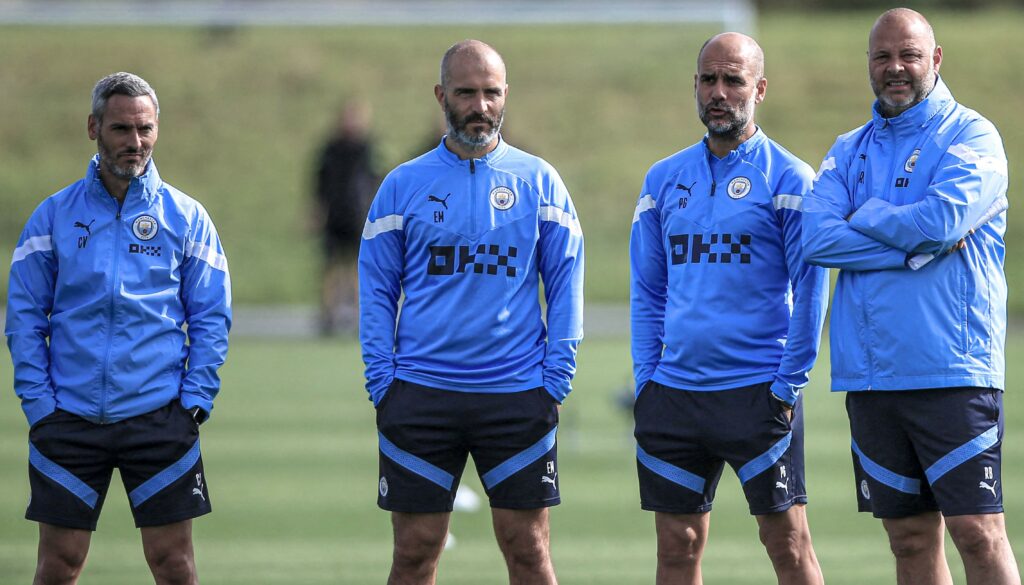
Understanding the particularities of how things were done in the first team was the real challenge. I managed to help with little contributions so that the players could perform. I kept things as simple as possible due to the congested club and country calendar the players had.
But one of my ambitions was still to become a head coach again.
When SC Braga showed an interest in hiring me, I spoke with Txiki and Pep, who were very supportive. That helped me in the process of transitioning from Manchester, where I had spent eight years, to Braga.
I had been hired by a top club in Europe, which is something I had wanted for a period of time. But there wasn’t a lot of time to prepare, because Braga were involved in Europa League qualifiers. That meant our pre-season started during the off-season. Meanwhile, I had to put my staff together, which is one of the challenges when you transition from an assistant to head coach. I also had to speak to the club about potential signings, get to know the new players, and establish my non-negotiable patterns.
“We were the first Portuguese side to reach a European semi final in 12 years”
Challenges showed up straight away. I needed to win games while my team was in development, I was in a country that I didn’t know that well, and we had to play a lot of games. By the first international break, we had played 10 games while most teams in the league had played four. At the beginning of February, we had already played 42 competitive games.
We overcame many challenges that season, and installed a clear identity of how we play, in and out of possession. By the October international break, we had started playing at a level that we kept for the rest of the season.
We were the first Portuguese side to reach a European semi final in 12 years, coming very close to taking it to extra-time against Freiburg in our Europa League second leg – in which we had to play 85 minutes with 10 men. We also comfortably clinched fourth place in the league, overcoming a huge gap. And we did it with a clear identity, scoring lots of goals. It could have even been better, though – we still have room to improve.
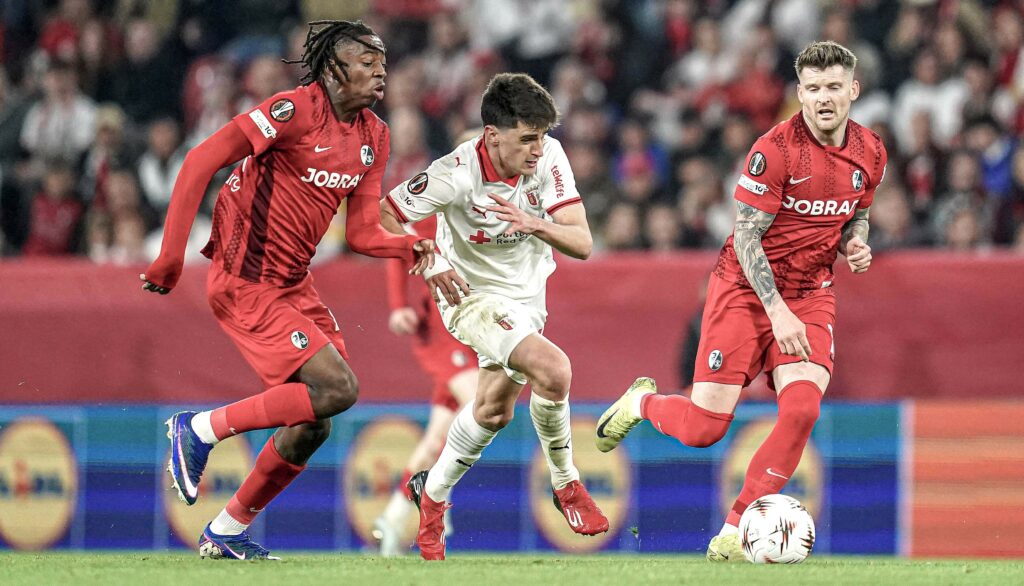
I have my style of play, but I don’t lose the perspective that it is the players who perform and play. Football belongs to the players. It may sound vague, but I have to find adjustments related to how players interact, so they can express themselves best on the pitch. The players must be understood as individuals and footballers who interact with each other. They are human beings who have good and bad days. They’ll interact more with those they have an alignment or closeness with.
I take this into account for my training sessions, line-ups and game plans. And I never forget who I am coaching. That is the most important aspect of my coaching philosophy.
“At Braga, we have created a culture that stems from the city’s values”
Meanwhile, we have to play to win, but how do we want to win? And more importantly, when defeat happens, what kind of team do we want to look like? It's a good question for us coaches, because defeats probably define our identity more than our victories.
Creating a team culture was one of the main objectives when I arrived at Braga. For me, behaviour is about actions. Those actions don’t need to be big. Everything starts with small habits and small details that make a big difference in the long term. At Braga we have created a culture that stems from the city’s values, based on respect, commitment and responsibility. If you walk through the club’s corridors every day, you’ll understand these roots. If respect, responsibility and commitment are ingrained, then our roots are strong.
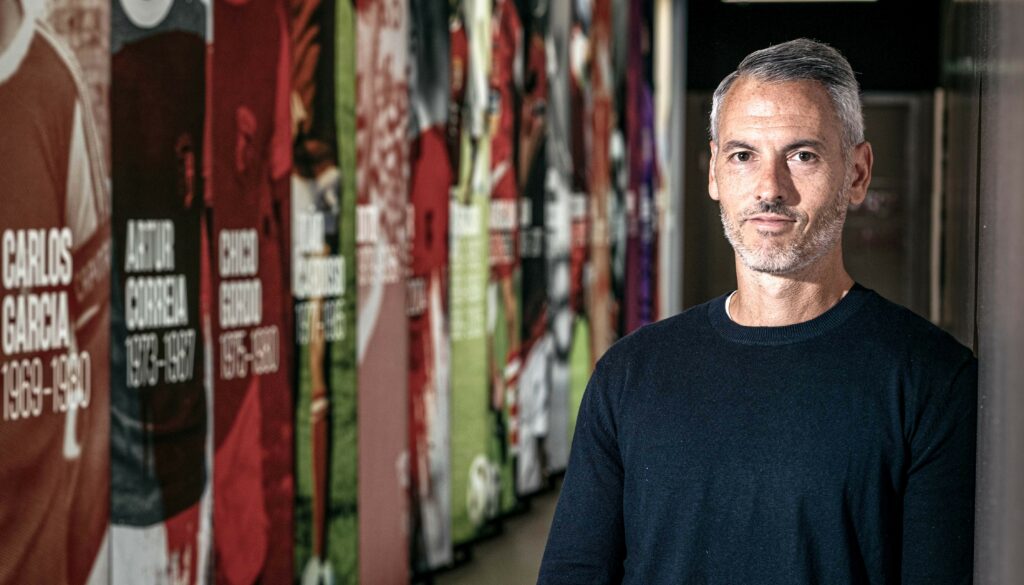
Tactics, ideas of play, style of play – they are all very important. But if there isn’t a strong culture within our team, a series of bad results or performances can make us change direction. When the values and team culture are strong and clear for everybody, then they will be easier to implement, and to define an identity of play. Everybody will know what we are trying to achieve.
And, on a bad day, we will know who we are and what to do.

Carlos Vicens
